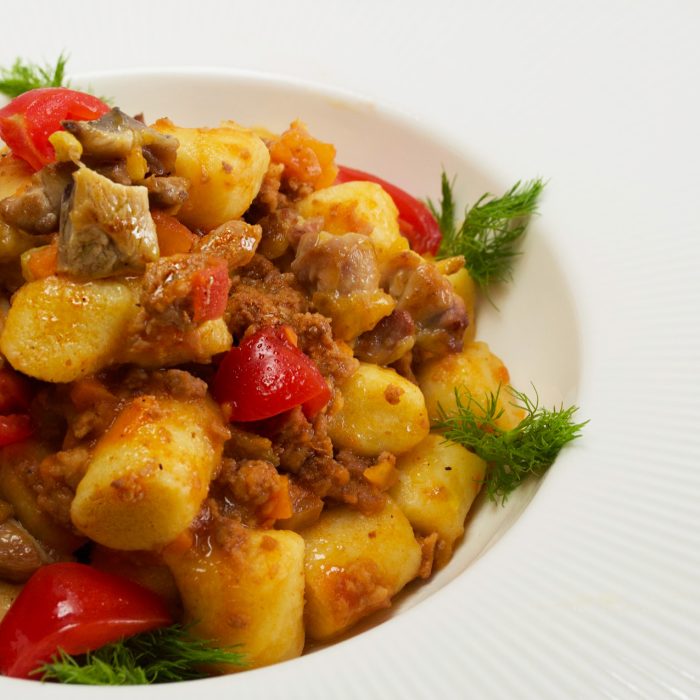
Egg macaroni


Among pasta shapes, macaroni are perfect for making many delicious dishes.
This ingredient lends itself to endless combinations: with sauces based on cream, béchamel, or tomato; with cheeses, both fresh and aged; with vegetables, such as zucchini or eggplant; and even with meat or fish, such as a classic ragù or a delicate pasta with salmon.
Thanks to their shape, macaroni will embrace any condiment you prepare, offering you great flavor with every bite.

Tempo di cottura: 4 min.

Tipo di pasta: Short
Ingredienti pasta
Pasteurized eggs, durum wheat semolina
Altre informazioni
Resa in cottura: 20%
Peso singolo pezzo: 2 gr
Dose consigliata per porzione : 150 gr
Si dice che
The origin of macaroni is still a topic of discussion today. According to some theories, it dates back to Neapolitan cuisine, during the time of Magna Graecia. The macaroni could derive its name from the word "makaira," referring to a large-bladed knife that might have been used to cut dough into pieces, much like gnocchi. Other hypotheses suggest that the word macaroni comes from "macco," an ancient puree of legumes that was crushed or "damaged," much like how wheat is ground into flour. What is certain is that today, macaroni refers to dry pasta made from durum wheat semolina and water. It is believed that macaroni are a Neapolitan invention, though they are thought to have Sicilian origins. What is certain is that by the 1700s, in Naples, they were widely available thanks to the advent of new machines that allowed for large-scale production. Initially served with vegetables and cheese, it was only in the 1800s that they were tinted red, thanks to the use of tomatoes.